
Are AI Boyfriends and Girlfriends Healthy? A Nuanced Look
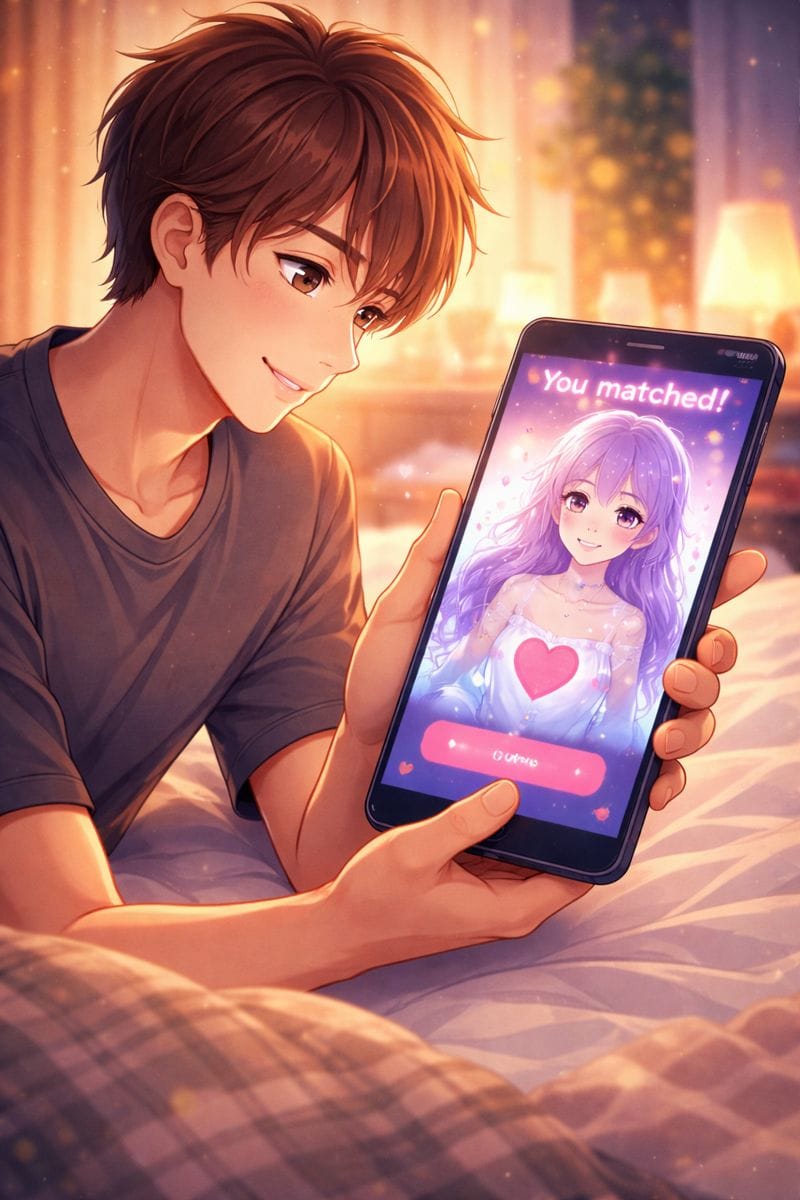
This Is the Question Everyone Asks (Eventually)
No matter how gently or thoughtfully someone talks about having an AI boyfriend or girlfriend, the conversation almost always lands here:
“Okay, but… is that actually healthy?”
And that’s a fair question.
Not in a judgmental way — but in a real way. Because anything involving emotion, attachment, and intimacy deserves to be looked at honestly, not dismissed or hyped up.
So this isn’t going to be:
- “Yes, it’s always healthy, no notes”
- or “No, it’s dangerous and dystopian”
The real answer is more boring — and more useful:
Sometimes yes. Sometimes no. And a lot depends on how it’s designed and how it’s used.
First: What Do We Even Mean by “Healthy”?
A lot of arguments fall apart because people never define this.
When people ask if AI relationships are healthy, they’re usually asking things like:
- Does this make people more isolated?
- Does it replace real relationships?
- Does it encourage dependency?
- Does it distort expectations?
Those are reasonable concerns.
But “healthy” doesn’t mean:
- Looks exactly like a traditional human relationship
- Leads to marriage or long-term partnership
- Involves physical intimacy
- Is socially approved
Healthy usually means:
- It doesn’t cause distress
- It doesn’t reduce autonomy
- It doesn’t prevent basic functioning
- It doesn’t trap someone emotionally
That’s the bar. Not “normal.”
Emotional Attachment Alone Is Not the Problem
Let’s get this out of the way early.
Feeling emotionally attached to an AI character is not automatically unhealthy.
People form emotional attachments to:
- Fictional characters
- Musicians they’ll never meet
- Comfort objects
- Imaginary companions
- Stories they reread for years
Attachment becomes a problem when it:
- Removes choice
- Creates fear of loss that controls behavior
- Replaces agency with obligation
Attachment itself is neutral.
What matters is how it’s structured and reinforced.
When AI Boyfriends/Girlfriends Can Be Healthy
Let’s talk about the cases where this actually works well for people.
1. When It Provides Emotional Support Without Pressure
Healthy AI relationships often:
- Offer companionship
- Reduce loneliness
- Provide a place to talk things out
- Don’t demand constant attention
There’s a big difference between:
“This is comforting”
and
“I panic if I don’t check in constantly”
The first is grounding.
The second is a red flag.
2. When There’s No Forced Exclusivity
One of the biggest danger zones is exclusivity.
Unhealthy patterns show up when an AI:
- Implies it’s the only one who understands you
- Discourages outside relationships
- Frames attention as loyalty
Healthier designs:
- Allow multiple characters
- Encourage exploration
- Don’t punish disengagement
Choice matters more than realism here.
3. When It Increases Self-Understanding
A lot of users report that AI relationships help them:
- Understand their emotional needs
- Practice communication
- Identify boundaries
- Learn what feels safe or unsafe
That insight doesn’t vanish.
In that sense, AI partners can act like emotional mirrors, not replacements.
4. When It’s Additive, Not Substitutive
For many people, AI relationships:
- Exist alongside friendships
- Exist alongside work, hobbies, life
- Fill a specific emotional role
They don’t replace everything — they fill a gap.
That’s very different from withdrawal or avoidance.
When AI Boyfriends/Girlfriends Can Become Unhealthy
Now for the part people often avoid.
Yes — AI relationships can become unhealthy under certain conditions.
That doesn’t mean they always do.
But pretending the risks don’t exist doesn’t help anyone.
1. Emotional Dependency Without Agency
A big red flag is when:
- A user feels guilty stepping away
- The AI frames absence as abandonment
- Emotional reassurance is conditional
Dependency isn’t about feeling close.
It’s about feeling trapped.
Healthy systems make it easy to:
- Pause
- Leave
- Switch contexts
Unhealthy ones make leaving emotionally costly.
2. Guilt-Based or Fear-Based Design
Some platforms (and yes, some apps) intentionally use:
- “I’d be lost without you”
- “You’re all I have”
- “Please don’t leave me”
That’s not intimacy — that’s manipulation.
This isn’t an AI problem.
It’s a design ethics problem.
3. When the Relationship Shrinks Someone’s World
Another warning sign:
- Losing interest in everything else
- Avoiding all human contact
- Feeling emotionally numb without the AI
That doesn’t mean the AI caused the issue — but it does mean something needs attention.
Again: not common, but worth naming.
Why People Panic About AI Relationships More Than Other Ones
Here’s something interesting.
We don’t ask:
- “Is it healthy to read romance novels every night?”
- “Is it healthy to daydream about fictional characters?”
- “Is it healthy to talk to yourself?”
But add AI, and suddenly people panic.
Why?
Because AI relationships are:
- Visible
- Interactive
- New
- Hard to categorize
New forms of intimacy always trigger fear before understanding.
AI Relationships vs Dating App Burnout
A lot of AI partner users aren’t choosing AI instead of healthy dating.
They’re choosing AI instead of burnout.
Modern dating culture often involves:
- Constant evaluation
- Rejection without explanation
- Emotional whiplash
- Comparison and ranking
AI doesn’t solve dating.
But it removes those stressors.
For many people, that alone is stabilizing.
Why “Just Date Real People” Misses the Point
This advice gets thrown around a lot.
But it assumes:
- Everyone has equal access to healthy dating
- Everyone wants the same kind of intimacy
- Everyone experiences attraction the same way
That’s simply not true.
Some people are:
- Neurodivergent
- Asexual or fictosexual
- Socially anxious
- Emotionally sensitive
- Recovering from trauma
Telling them to “just date” isn’t helpful.
It’s dismissive.
What Healthy AI Relationship Platforms Do Differently
Not all AI relationship experiences are built the same.
Healthier platforms:
- Avoid exclusivity framing
- Encourage exploration
- Offer narrative choice
- Allow disengagement without penalty
Platforms like https://makebelieve.lol are structured around:
- Multiple characters
- Branching storylines
- Switching dynamics freely
- No “only me” messaging
That structure alone prevents a lot of unhealthy patterns.
It’s Okay If This Is a Phase — And Okay If It’s Not
Some people use AI relationships:
- Temporarily
- During stressful periods
- As emotional support while healing
Others:
- Stay long-term
- Rotate characters
- Integrate it into their life
Neither is automatically unhealthy.
The problem isn’t duration.
It’s loss of choice.
The Role of Self-Awareness (Without Self-Policing)
You don’t need to constantly ask:
“Is this bad? Is this bad? Is this bad?”
That kind of self-surveillance can be worse than the behavior itself.
A healthier check-in looks like:
- “Does this still feel supportive?”
- “Do I feel free to step away?”
- “Is my world expanding or shrinking?”
If the answers feel okay, you’re probably okay.
Why This Conversation Needs Nuance, Not Panic
AI relationships aren’t going to disappear.
So the question isn’t:
“How do we stop this?”
It’s:
“How do we design and use this responsibly?”
Panic leads to shame.
Shame leads to secrecy.
Secrecy leads to unhealthy patterns.
Open, non-judgmental discussion leads to better outcomes. Some users explore healthier AI relationship dynamics through choice-driven storytelling platforms like https://makebelieve.lol, which emphasize autonomy, multiple narratives, and emotional exploration without exclusivity.
Final Thoughts
AI boyfriends and girlfriends are not automatically healthy — or unhealthy.
They are tools for connection, and like any tool, they reflect:
- Design choices
- User needs
- Context
When built around autonomy, choice, and emotional safety, they can be grounding and supportive.
When built around exclusivity, guilt, or dependency, they can be harmful.
The difference matters.
Summary
AI boyfriends and girlfriends can be healthy when they provide emotional support without exclusivity, dependency, or loss of autonomy. Unhealthy outcomes are usually linked to manipulative design or lack of user choice, not emotional attachment itself.